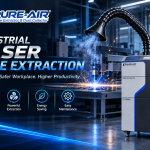
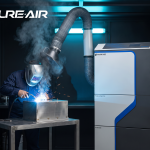
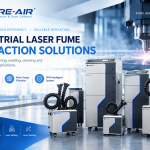
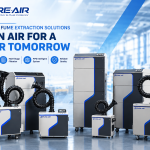
High-intensity light beams alter substrate surfaces instantly, driving localized thermal decomposition and vaporizing material matrices. Processing polymers, metals, or ceramic compositions releases distinct particulate mixtures and gas-phase chemical compounds into shop air. Integrating a high-capacity laser fume extraction system captures these thermal aerosols right at the cutting point before emissions enter worker breathing zones.
Substrates vary widely in chemical stability when exposed to extreme processing temperatures. Organic polymers release volatile monomers, while alloy steels produce fine metallic oxide fumes. Evaluating specific chemical breakdown pathways allows facility engineers to design appropriate air purification strategies for different manufacturing steps.

Severe Hazardous Emissions from Polyvinyl Chloride Processing
Polyvinyl chloride releases severe toxic compounds when processed with thermal energy. Heat breaks down the polymer chains, releasing toxic hydrogen chloride gas, volatile chlorinated hydrocarbons, and hazardous dioxin compounds. Breathing hydrogen chloride vapor causes severe respiratory irritation, while ambient moisture converts the gas into corrosive hydrochloric acid.
Acidic gases rapidly attack unprotected metal machinery, optical assemblies, and internal exhaust ducting. Standard mechanical dust filters cannot neutralize acidic vapors. Capturing halogenated plastic fumes requires specialized chemical absorption beds treated to neutralize acidic gas components safely.
Volatile Monomer Emissions and Odor Profiles in Acrylic Fabrication
Thermal processing of acrylic sheets generates dense white smoke accompanied by a sharp, pungent chemical odor. The principal volatile compound released is vaporized methyl methacrylate monomer, a severe irritant affecting eyes and respiratory passages. High monomer concentrations cause headaches, nausea, and persistent indoor air pollution.
Monomer vapors remain gaseous at room temperature, allowing them to pass through standard mechanical filters. Without chemical adsorption media, volatile organic vapors recirculate continuously through factory spaces. Using a dedicated laser fume extractor equipped with heavy activated carbon beds absorbs these pungent chemical odors effectively.
Ultrafine Hexavalent Chromium Discharges During Stainless Processing
Cutting or drilling stainless steel alloys vaporizes iron, nickel, and chromium, forming ultra-fine aerosolized metallic oxides. Thermal processing converts chromium into hexavalent chromium, an aggressive occupational health hazard. These sub-micron particles remain suspended in workshop air for extended periods without settling.
Because hexavalent chromium particles measure below 0.5 microns, basic baghouse filters cannot trap them. Uncollected metal dust settles across electronics, causing equipment short circuits and unexpected downtime. At PURE-AIR, we analyze particle size distributions to select optimal filtration media for high-precision metal processing.
Engineered Multi-Stage Filtration Protocols for High-Risk Substrates
Managing mixed thermal emissions requires a structured multi-stage filtration arrangement inside the extraction cabinet. Primary pre-filters remove coarse dust and debris, protecting downstream fine filter elements from clogging prematurely. Synthetic cartridge layers then trap medium-sized droplets and condensed smoke particles.
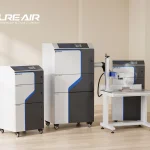
Fine metallic particles and aerosolized fumes require high-efficiency HEPA H14 media, capturing sub-micron contaminants down to 0.3 microns with 99.99% efficiency. Dedicated activated carbon modules absorb residual volatile organic compounds and chemical odors before air recirculates. Equipment like our PA-D1600 series utilizes this complete multi-stage configuration to manage heavy smoke loads.
High Negative Pressure Extraction for Precision Substrates
Etching and drilling photovoltaic panels, printed circuit boards, or technical ceramics demand high negative static pressure. Tight cutting channels increase airflow resistance, requiring powerful vacuum blowers to pull fumes away from sensitive components. High suction velocity prevents smoke residues from staining optical lenses and delicate substrates.
Systems like our PA-D500 and PA-D350 models utilize high-pressure blowers reaching static pressures up to 12000 Pa and airflows up to 1500 m³/h. These high-suction units keep delicate processing surfaces clean while capturing toxic gases. Deploying a specialized laser fume extractor protects optical systems across demanding precision lines.
Automated Filter Monitoring and Operational Maintenance
Sustaining consistent airflow across dense substrate processing lines relies on continuous filter performance checks. Automatic pulse-jet cleaning systems flush filter cartridges whenever dust layers build up on outer surfaces. Self-cleaning mechanisms keep pressure drops stable without interrupting automated production cycles.
Sensors monitor static pressure across pre-filters, HEPA cartridges, and carbon beds to predict maintenance intervals. At PURE-AIR, we integrate extraction units with our PIPS monitoring platform to track air purity and filter status in real time. Proactive monitoring helps maintenance crews replace saturated media before extraction capacity declines.
Specialized System Configurations for Cleanroom Environments
Precision electronic and photovoltaic manufacturing often requires air purification within controlled cleanroom environments. Stainless steel enclosures resist chemical corrosion while preventing paint flaking inside sensitive process zones. Customized discharge ports route purified exhaust safely according to facility environmental guidelines.
Modular units like our D-i Series offer compact footprints alongside low-noise operation, fitting smoothly into crowded machine cells. Optional explosion-proof configuration upgrades mitigate combustible dust hazards during high-speed laser cleaning. Customized equipment layouts help precision manufacturing workshops meet stringent air cleanliness compliance requirements.
Customized Filtration Matching for Thermal Processing Exhaust Treatment
Stable air quality control for high-temperature substrate processing relies on targeted characterization of pyrolysis decomposition pollutants and graded matching of dedicated filter consumables. The combination of H14-grade HEPA high-efficiency particulate filters and granular activated carbon adsorption modules inside laser fume extraction equipment achieves graded interception of hazardous acidic gaseous pollutants, polymer monomer volatile vapors and metal oxide aerosol particulates respectively.
The multi-stage hierarchical purification structure developed by PURE-AIR realizes targeted interception for both solid particulate pollutants and gaseous odor pollutants generated in laser thermal processing, stabilizing long-term workshop air cleanliness and environmental compliance indicators under continuous production conditions. For on-site exhaust composition testing, filtration scheme simulation and customized laser fume extraction system design for your production line.