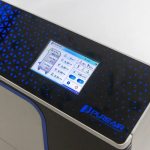
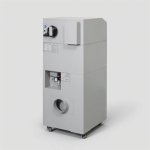
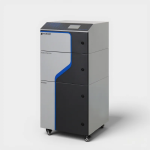
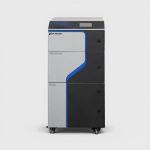
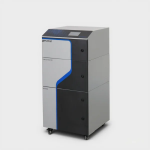
When evaluating air quality specifications, the acronym VOC appears consistently. For professionals selecting an industrial VOC air purifier, understanding this term is essential. VOC stands for Volatile Organic Compounds, a category of gaseous pollutants with distinct properties and sources. At PURE-AIR, we approach VOC management through integrated fume extraction products, recognizing that these compounds require specific strategies within a comprehensive air quality system.
The Scientific Definition and Common Sources of VOCs
VOCs are carbon-based chemicals that evaporate easily at room temperature, entering the air in a gaseous state. Their volatility is what makes them a prevalent air quality concern. In industrial settings, sources are process-specific. They can originate from solvents, cleansers, adhesives, fuels, and certain manufacturing reactions. Unlike particulate matter, these compounds are molecular, which dictates the necessary filtration technology. This is why a standard particulate filter in a fume extraction product is insufficient for them; a different capture mechanism is required. Recognizing the sources and behaviors of VOCs is the first step in specifying an effective industrial VOC air purifier.
Why VOC Management is a Critical Operational Consideration
Managing these compounds extends beyond odor control. From an operational perspective, VOC exposure can affect worker well-being, with potential impacts ranging from discomfort to health risks with prolonged, concentrated exposure. Furthermore, certain VOCs can contribute to chemical interactions within a facility or affect sensitive production processes. Implementing an industrial VOC air purifier designed for these gases helps mitigate these risks. It transforms the management of VOCs from a reactive issue into a controlled environmental parameter, which aligns with responsible operational practices and can support compliance with indoor air quality guidelines.
The Purification Approach: Adsorption Over Particulate Filtration
Addressing VOCs effectively requires technology matched to their gaseous form. The most common method in fume extraction products is adsorption, typically using a media like activated carbon. This material contains a vast network of microscopic pores that trap gaseous molecules on a large surface area through physical and chemical forces. A capable industrial VOC air purifier will feature a substantial adsorption stage, often following a particulate pre-filter, to handle the mixed contaminant profile found in real-world applications. The capacity and type of adsorbent media are key factors in the system’s longevity and effectiveness against the specific VOC compounds present.
Our focus at PURE-AIR is on providing solutions that match the pollutant. The presence of VOC sensors on some of our intelligent systems allows for monitoring this specific class of contaminants, providing factual feedback on air quality status. Selecting appropriate fume extraction products involves analyzing the air quality challenge in its entirety. For environments where solvents or chemical processes are present, this means ensuring the selected system includes verified VOC control capabilities. An industrial VOC air purifier built with this understanding becomes a precise tool for managing a complex aspect of the industrial atmosphere, contributing to a cleaner and more controlled workspace.