Picture a laser precisely etching a component. This operation, while accurate, generates a plume of ultrafine particulates and gases invisible to the eye yet potentially disruptive. The immediate and complete removal of this byproduct is not incidental but the core function of specialized equipment. We at PURE-AIR engineer systems where this process is reliable and integral. Understanding the operational principles of this equipment clarifies its role as a critical support system in high-stakes manufacturing environments.

The Sequential Capture and Containment Phase
The initial operation focuses on capture and containment. A strategically placed extraction arm or enclosure creates a negative pressure zone at the very point where fumes are born. This immediate capture is vital; it prevents the dispersion of contaminants into the ambient air of the workspace. The effectiveness of this first step determines the overall system performance. A well-designed dust and fume extraction system ensures optimal capture velocity, pulling the contaminated airstream directly into the ductwork without allowing it to escape. This directed flow is the fundamental principle that all effective dust collectors and fume extractors rely upon to isolate hazards at their source.
The Core Filtration and Separation Process
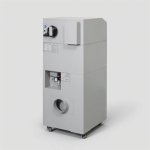
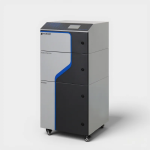
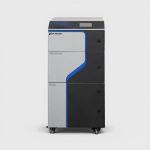
Once captured, the airstream enters the central purification stage. Here, the equipment works through a multi-stage filtration process designed for specific contaminants. A pre-filter typically traps larger particles, protecting and prolonging the life of the primary filters. The heart of the system then engages. For particulate matter, HEPA-grade filters capture ultrafine solids. For gaseous pollutants, activated carbon or other specialized media chemically adsorb the molecules. This layered approach, where each stage addresses a different type of pollutant, is what defines a comprehensive dust and fume extraction system. The clean, processed air is then returned to the space or exhausted outside, completing the core cycle of a modern suite of dust collectors and fume extractors.
The Intelligence Governing System Adaptation
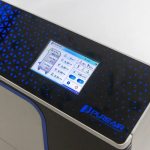
Modern equipment functionality extends beyond mechanical filtration to include adaptive control. Integrated sensors monitor parameters like airflow pressure or filter saturation. This data allows the system to self-regulate, adjusting fan speed to maintain consistent capture performance despite varying process conditions. This intelligent modulation aligns power consumption with actual demand. Furthermore, it provides operational clarity, signaling when maintenance is required based on performance data rather than a fixed schedule. This capability for self-regulation and feedback represents a significant functional advancement, ensuring that the dust and fume extraction system operates both effectively and efficiently over time.
The working principle of this equipment is a continuous loop of capture, purification, and return. It is a process built on sequential engineering stages, from the initial point of extraction to the final stage of filtration and adaptive control. We see its operation as a dedicated, silent protocol that upholds environmental standards within a facility. By comprehending this mechanism—the directed capture, the multi-stage filtration, and the intelligent regulation—the essential supporting role of this equipment in preserving process integrity and a controlled atmosphere becomes clear.