Exposure to solder fumes in industrial settings presents a tangible health concern, with symptoms like dizziness frequently reported among operators. These fumes are a complex mixture of particulate and gaseous byproducts released when solder wire and flux are heated. The sensation of dizziness is a direct physiological response, often linked to the inhalation of certain compounds within the fume plume. This underscores a significant operational and safety challenge, moving the discussion beyond symptom management to proactive engineering controls. The implementation of effective solder fume extraction is not merely a comfort feature; it is a fundamental requirement for maintaining cognitive clarity and safety in electronics assembly, including within environments where precision is non-negotiable.
Composition and Direct Health Effects of Soldering Emissions
The link between solder fumes and dizziness is rooted in fume chemistry. Rosin-based fluxes, when heated, release aldehydes and other volatile organic compounds, while the particulate fraction contains minute metal oxides. Inhalation of these contaminants can irritate the respiratory tract and affect the central nervous system. Dizziness, along with headaches and nausea, can occur from both the reduction in oxygen exchange efficiency and the direct neurotoxic effects of certain vaporized flux constituents. This makes localized source capture critical, as it prevents these compounds from entering the operator’s breathing zone and dispersing into the wider facility air.
Engineering Controls: The Role of Source-Capture Extractors
Addressing this at its origin requires dedicated technology designed for the specific nature of soldering aerosols. A dedicated solder fume extractor functions on the principle of source capture, positioning an extraction arm or hood in close proximity to the emission point. By creating a controlled airflow at the source, the system captures the fume plume before it can rise and mix with the ambient air. The contaminated air is then drawn into the unit, initiating a multi-stage filtration process. This targeted approach is the core of effective solder fume extraction, ensuring hazardous components are removed from the immediate environment where operators perform their tasks.
System Integration for Continuous Protection
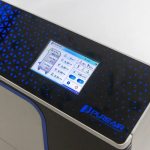
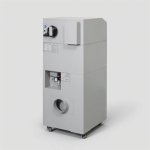
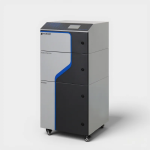
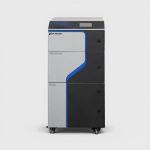
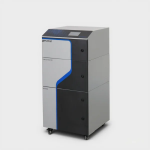
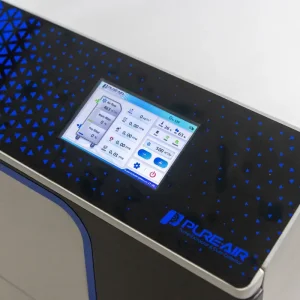
For comprehensive facility safety, individual extractors must be part of a considered industrial hygiene plan. The PURE-AIR solder fume extractor provides essential protection for electronics manufacturing, automotive assembly, aerospace, and medical device production. Designed for both hand and automated processes, this soldering fume extraction system effectively removes hazardous fumes generated by solder flux, rosin solder flux, and high-temperature operations. Its design integrates seamlessly into production lines, whether serving a single workstation or multiple points in an automated cell. Features like adjustable airflow ensure sufficient capture velocity for different processes, from delicate hand soldering to higher-volume wave soldering, making the system a versatile component of a larger safety infrastructure.
In summary, the dizziness associated with solder fume exposure is a documented physiological response to specific chemical inhalants. Mitigating this risk necessitates moving beyond general ventilation to engineered source-capture solutions. A dedicated solder fume extractor is the appropriate technological response, designed to intercept the hazardous plume at its point of generation. Through effective solder fume extraction integrated into the production environment, facilities can directly safeguard operator health and cognitive function, supporting the precision and reliability required in advanced manufacturing sectors.