When a high-intensity light beam meets a corroded surface, a precise and complex reaction occurs. This interaction forms the basis of laser cleaning, a method we at PURE-AIR support through critical atmospheric control systems. The procedure for rust removal is not merely surface-level but involves a targeted application of energy that fundamentally alters the contaminant. To maintain the integrity of this advanced process, managing its immediate byproducts becomes a parallel necessity, underscoring the vital role of dedicated environmental support technology.
The Science of Substrate-Level Contaminant Removal
Laser cleaning operates on the principle of selective photothermal energy transfer. A pulsed laser beam is directed onto the rust-covered substrate. The rust, typically iron oxide, absorbs the laser’s energy at a much higher rate than the underlying base metal. This rapid absorption causes the rust layer to heat up almost instantaneously, leading to its vaporization or conversion into a plasma state. The underlying material, having a higher ablation threshold, remains largely unaffected. This differential absorption allows for the precise stripping of corrosion without damaging the component itself. The effectiveness of this method hinges on calibrated parameters like wavelength, pulse duration, and fluence, which must be matched to the specific contaminant and substrate material.
The Generation of Airborne Byproducts and Associated Risks
The removal of rust via this method does not simply make the contaminant disappear. The process transforms the solid rust into a plume of ultrafine particulate matter and gaseous byproducts. This plume contains metallic oxides, often sub-micron in size, which can remain suspended in the air. Without immediate and effective control, these particles settle on sensitive equipment, degrade product quality in precision environments, and pose a potential respiratory hazard. Furthermore, the energy involved can generate ozone or other compounds. This creation of airborne hazards is an inherent part of the cleaning operation, making the subsequent step of atmospheric management not optional but integral to the process’s safe and clean execution.
The Critical Role of Integrated Contaminant Capture
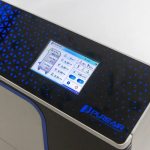
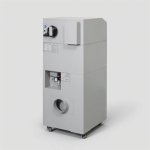
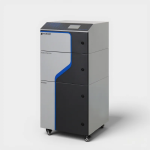
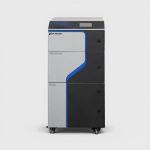
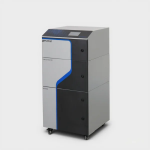
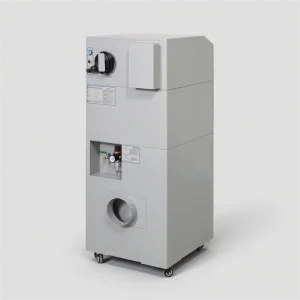
This is where specialized environmental control systems become a core part of the operational workflow. Effective fume extraction equipment must be integrated directly at the point of fume generation. As the laser ablates the rust, an extraction arm with sufficient capture velocity immediately evacuates the contaminated airstream. This source capture is crucial; it prevents the dispersion of the plume into the wider workshop atmosphere. For laser cleaning applications, the fume extraction equipment in laser cleaning must be engineered to handle the specific particulate profile—fine, dense, and often hot—generated by the ablation process. This requires designs that go beyond standard filtration, incorporating robust primary separation and high-efficiency final-stage filters to manage the consistent output of the cleaning procedure.
The laser cleaning process exemplifies a precise solution to a persistent industrial challenge, transforming a solid contaminant into a controlled airborne stream. Its success, however, is fully realized only when paired with an equally precise approach to environmental management. The fume extraction equipment responsible for this task performs a silent yet critical function: it ensures the byproduct of cleaning does not become a new contaminant. We view this as a unified system. The laser removes the rust, and the dedicated fume extraction equipment in laser cleaning reduces the resulting hazard, completing the cycle and maintaining the clean, controlled conditions that advanced manufacturing requires. This symbiotic relationship is fundamental to implementing laser cleaning technology responsibly and effectively.