Best Practices for Daily Maintenance of Fume Extractors
Introduction: Why Daily Maintenance Matters
Industrial fume extractors play a critical role in maintaining clean air, protecting workers, and ensuring safe production environments in modern manufacturing facilities. These systems are widely used in industries such as welding, laser cutting, electronics manufacturing, metal processing, and chemical production.
However, even the most advanced fume extraction systems require regular maintenance to operate efficiently. Without proper daily care, airflow efficiency can decline, filters may clog faster, and system components may experience premature wear.
Establishing a consistent daily maintenance routine helps ensure optimal system performance, extends equipment lifespan, and reduces unexpected downtime.
Key Components of a Fume Extraction System
Before discussing maintenance practices, it is important to understand the primary components of a typical fume extraction system:
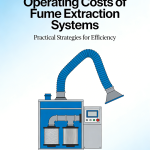
Air intake hood or extraction arm
Ducting system
Industrial fan or blower
Multi-stage filtration system
Control panel and monitoring devices
Each component contributes to the overall efficiency of the air purification process and should be included in routine maintenance checks.
1. Inspect the Air Intake Area
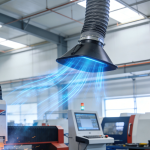
The air intake hood or extraction arm is responsible for capturing fumes directly at the source. If the intake area becomes blocked or misaligned, the system may fail to capture pollutants effectively.
Daily inspection should include:
Checking for visible obstructions
Ensuring extraction arms are correctly positioned
Confirming that airflow is unobstructed
Proper positioning helps maximize fume capture efficiency and prevents contaminants from spreading throughout the workshop.
2. Monitor Airflow Performance
Airflow stability is essential for effective fume extraction. Operators should monitor airflow indicators or airflow sensors to ensure the system is functioning within its designed operating range.
Signs of airflow problems may include:
Reduced suction power
Unusual noise from the fan
Smoke or dust escaping from workstations
Identifying airflow issues early helps prevent larger system failures.
3. Check Filter Condition
Filters are the core component of any fume extraction system. Over time, captured particles accumulate in the filter media and may reduce airflow efficiency.
Daily visual inspection can help detect early signs of clogging.
Maintenance staff should check for:
Excessive dust buildup
Filter damage or deformation
Warning indicators from pressure monitoring systems
Timely filter replacement ensures consistent purification performance.
4. Observe Fan and Motor Operation
The fan is responsible for generating the airflow that drives the entire extraction process. Any abnormality in fan operation can quickly reduce system performance.
Daily monitoring should include:
Listening for unusual vibration or noise
Checking motor temperature
Ensuring stable operating speed
Proper fan performance ensures stable negative pressure within the extraction system.
5. Inspect Ductwork and Connections
Ducting systems transport contaminated air from the source to the filtration unit. Air leaks or blockages can reduce system efficiency and increase energy consumption.
Routine checks should focus on:
Loose duct connections
Dust accumulation inside ducts
Visible leaks or damage
Maintaining airtight duct systems improves airflow efficiency and reduces operational costs.
6. Keep the Surrounding Area Clean
Dust and debris accumulation around the fume extraction unit can interfere with system ventilation and maintenance access.
Operators should ensure that:
The equipment area remains clean and unobstructed
Maintenance access points are easily reachable
Cooling vents remain clear
A clean operating environment contributes to safer and more efficient system performance.
7. Record Maintenance Activities
Maintaining a simple inspection log helps track system performance over time.
Daily maintenance records may include:
Airflow observations
Filter condition status
Fan operation notes
Any abnormal findings
These records allow maintenance teams to identify trends and schedule preventive maintenance before problems occur.
Benefits of Consistent Daily Maintenance
Implementing daily maintenance procedures provides several operational advantages:
Improved air purification efficiency
Longer filter lifespan
Reduced energy consumption
Lower maintenance costs
Fewer unexpected system failures
Regular inspections also help ensure compliance with workplace air quality standards and environmental regulations.
Conclusion
Daily maintenance is essential for keeping industrial fume extraction systems operating efficiently and reliably. By inspecting key components such as air intake systems, filters, fans, and ductwork, manufacturers can prevent performance decline and extend equipment lifespan.
A well-maintained fume extractor not only protects worker health but also supports stable production and long-term operational efficiency.