HOW TO BUILD LASER ENGREAVER FUME EXTRACTER? UNDERSTANDING THE MECHANISM OF KEY COMPONENT
INTRODUCTION
Laser engraving and cutting processes generate a significant amount of smoke, fine dust, and volatile organic compounds (VOCs). These by-products are not only harmful to operators but also reduce machine stability and product quality over time. In modern industrial environments, the design logic behind laser fume extraction is increasingly aligned with principles used in vehicle exhaust extraction systems, where pollutants must be captured directly at the source before spreading into the workspace.
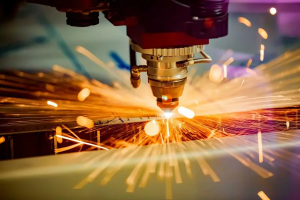
In many factories, engineers even compare laser processing environments to automotive workshops because both require efficient air management systems similar to vehicle exhaust extraction systems. Without proper filtration, contaminants accumulate quickly, leading to safety risks and compliance failures.
This article explains how to build a laser engraver fume extractor and breaks down the key components using industrial principles inspired by vehicle exhaust extraction systems. It also highlights how advanced solutions from PURE AIR can optimize performance.
Working Principle of a Laser Engraver Fume Extractor
A laser engraver fume extractor operates on a simple but highly controlled airflow principle. The system captures polluted air, filters it through multiple stages, and then releases clean air back into the environment. This mechanism is conceptually similar to vehicle exhaust extraction systems, which capture exhaust gases directly from engines and prevent them from entering the breathing zone.
Source Capture Design
The most important principle is “capture at the source.”
Just like vehicle exhaust extraction systems used in garages, the suction inlet must be positioned close to the laser engraving point. This ensures that smoke and fine particles are immediately drawn into the system before dispersion.
Negative Pressure Airflow
The system uses a fan to create negative pressure. This is the same principle used in vehicle exhaust extraction systems, where airflow is directed from clean zones to polluted zones. In laser systems, this prevents smoke leakage into the workspace.
Multi-Stage Filtration
Industrial-grade systems often use layered filtration:
- Pre-filter for large dust particles
- HEPA filter for fine particulates
- Activated carbon filter for VOCs and odors
This layered approach mirrors advanced vehicle exhaust extraction systems, which often use multiple purification stages to ensure safe air discharge.
Key Components of a Laser Fume Extractor System
To build an efficient system, understanding each component is essential. Most industrial designs are inspired by the structure of vehicle exhaust extraction systems, which prioritize airflow stability and filtration efficiency.
1. Suction Hood and Air Intake Arm
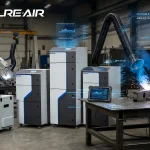
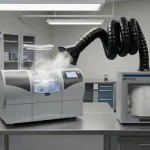
The suction arm is responsible for capturing smoke at the source. Its design determines how effectively the system performs. Like vehicle exhaust extraction systems, flexibility and positioning accuracy are critical.
2. High-Efficiency Fan System
The fan acts as the “engine” of the system. It must generate strong, stable airflow. In industrial environments, fan design is often benchmarked against vehicle exhaust extraction systems, which require continuous high-pressure operation.
3. Filtration Modules
This is the core purification unit:
- Particle filtration (dust, soot)
- Chemical filtration (VOC adsorption)
- Odor neutralization
Modern systems such as those developed by PURE AIR use optimized filtration structures similar to high-performance vehicle exhaust extraction systems.
4. Control System
A smart control panel regulates airflow, filter status, and system alerts. Advanced models integrate sensors, similar to monitoring modules in vehicle exhaust extraction systems, ensuring stable performance and early warning of filter saturation.
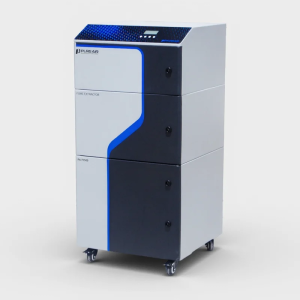
Step-by-Step Guide: How to Build a Basic Laser Fume Extractor
Building a laser engraver fume extractor requires careful planning. While industrial-grade systems are complex like vehicle exhaust extraction systems, a simplified version can still follow the same principles.
Step 1: Define Airflow Requirements
First, calculate the required airflow based on engraving machine size and smoke output. This step is similar to designing vehicle exhaust extraction systems, where engine output determines extraction power.
Step 2: Select an Appropriate Fan
Choose a centrifugal fan or high-pressure blower. The fan must maintain stable suction, just like vehicle exhaust extraction systems used in continuous vehicle testing environments.
Step 3: Design the Intake Structure
Install a flexible suction arm or hood close to the laser head. Efficiency depends on proximity, a principle also essential in vehicle exhaust extraction systems.
Step 4: Build Filtration Layers
Install filters in sequence:
1.Pre-filter
2.HEPA filter
3.Activated carbon layer
This structure mimics industrial vehicle exhaust extraction systems, which rely on staged purification to ensure safe emissions.
Step 5: Install Control and Safety Systems
Add airflow controls, pressure sensors, and filter indicators. Similar to vehicle exhaust extraction systems, monitoring ensures consistent performance and prevents system overload.
Common Mistakes in DIY Fume Extractor Design
Even experienced engineers make mistakes when designing systems similar to vehicle exhaust extraction systems.
Poor Airflow Design
Incorrect fan selection leads to weak suction. This reduces efficiency and is a common issue in both laser systems and vehicle exhaust extraction systems.
Improper Filter Arrangement
If filters are not arranged correctly, dust can clog the system quickly. In professional vehicle exhaust extraction systems, filter sequencing is strictly optimized to avoid this issue.
Ignoring Maintenance Access
A system that is difficult to maintain will fail over time. Industrial vehicle exhaust extraction systems always prioritize easy filter replacement.
Why Industrial-Grade Systems Are Better Than DIY Solutions
While DIY designs may work temporarily, industrial solutions provide long-term stability. Companies like PURE AIR specialize in engineered systems that follow strict standards similar to vehicle exhaust extraction systems used in automotive manufacturing and testing environments.
Higher Efficiency and Stability
Industrial systems maintain constant airflow even under heavy load, unlike DIY systems that fluctuate. This is essential in environments that require continuous operation like vehicle exhaust extraction systems.
Compliance with Environmental Standards
Factories must meet strict emission requirements. Professional-grade systems ensure compliance, similar to certified vehicle exhaust extraction systems used in regulated industries.
Reduced Operational Cost
Efficient filtration reduces machine downtime and maintenance costs. This is a key advantage shared with advanced vehicle exhaust extraction systems.
Application Scenarios in Industrial Manufacturing
Laser fume extractors are widely used across multiple industries. Their design philosophy is often aligned with vehicle exhaust extraction systems, especially in environments where continuous air pollution control is required.
Laser Cutting and Engraving Workshops
Smoke and fine particles are continuously generated. Efficient extraction ensures operator safety, similar to vehicle exhaust extraction systems in enclosed workshops.
Electronics Manufacturing
Flux fumes and micro-dust require high-precision filtration systems similar to vehicle exhaust extraction systems used in controlled environments.
Metal Processing Industry
Welding and cutting operations generate heavy fumes. Extraction systems must operate like high-capacity vehicle exhaust extraction systems.
Conclusion: Building Efficient Systems Based on Proven Industrial Principles
Designing a laser engraver fume extractor is not just about assembling components. It is about understanding airflow dynamics, filtration science, and system integration. Many of these principles are directly inspired by vehicle exhaust extraction systems, which have been proven effective in industrial environments for decades.

Whether you are building a small system or evaluating industrial-grade solutions, the core logic remains the same: capture pollutants at the source, maintain stable airflow, and ensure multi-stage purification.
For manufacturers seeking reliable and certified solutions, PURE AIR provides advanced systems designed for modern industrial requirements. To explore more technical solutions or get professional support, you can also contact us directly through official channels.
A well-designed system not only improves air quality but also enhances productivity, safety, and long-term operational efficiency—just like high-performance vehicle exhaust extraction systems in demanding industrial environments.