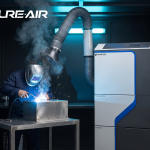
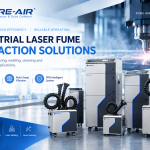
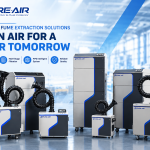
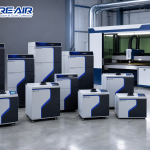
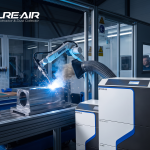
In the realm of automotive manufacturing welding fume extraction, various environmental factors play a significant role in determining the effectiveness of fume extraction equipment. Understanding these factors is crucial for optimizing operational performance and ensuring compliance with safety regulations. At Pure-Air, we recognize that elements such as temperature, humidity, and air quality can markedly influence the efficiency of our welding fume extraction systems. By concentrating on these aspects, we can enhance the overall effectiveness of our equipment and create safer working environments.
The Impact of Temperature
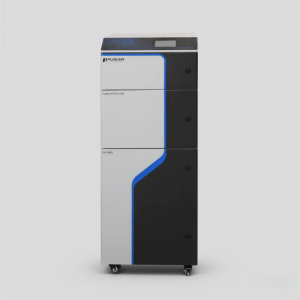
Temperature fluctuations can significantly affect the performance of welding fume extraction systems. High temperatures may increase the viscosity of the fumes, making it more challenging for the equipment to capture particulates effectively. Conversely, excessively low temperatures can result in the condensation of moisture within the extraction system, leading to the formation of clogs and reducing airflow. At Pure-Air, we implement advanced pulse-cleaning systems that elevate maintenance efficiency by up to 320%. This innovative technology ensures that temperature-related issues do not hinder the performance of our automotive manufacturing welding fume extraction systems.
Humidity’s Role in Fume Quality
Humidity is another environmental factor that can affect the effectiveness of fume extraction. High humidity levels may lead to increased moisture content in welding fumes, which can result in the agglomeration of particulates. This phenomenon can hinder the extraction process and may necessitate more frequent maintenance. Furthermore, moisture can cause issues such as corrosion within the extraction systems. Our extraction units are engineered with 30,000-hour maintenance-free motors, designed to withstand challenging conditions. This design minimizes downtime and ensures that the systems operate efficiently regardless of humidity levels.
Air Quality and Contamination
The overall quality of the working air profoundly influences the efficacy of welding fume extraction solutions. High levels of airborne contaminants can saturate the filters of the extraction systems, leading to reduced airflow and increased pressure drop. Pollutants can originate from various sources, including other machinery, chemicals, or environmental conditions. To combat this, Pure-Air recommends regular air quality assessments to identify potential contaminants and take proactive measures. By closely monitoring the environment, we can ensure that our automotive manufacturing welding fume extraction systems function optimally, regardless of external air quality variations.
Conclusion
The performance of welding fume extraction equipment is influenced by a myriad of environmental factors, including temperature, humidity, and air quality. These variables can impact the efficiency of extraction systems and thus the safety of the work environment. At Pure-Air, we strive to develop advanced solutions that not only maintain performance excellence but also withstand challenging conditions. By taking the necessary steps to understand and mitigate these environmental influences, we can ensure safer and more efficient welding operations, benefitting both workers and the manufacturing process as a whole.