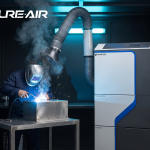
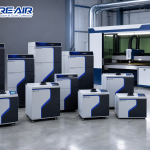
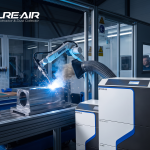
In the world of automotive manufacturing, effective welding shop fume extraction is not merely a regulatory requirement; it’s an essential practice for maintaining a safe working environment. Long hours spent in welding operations can lead to high energy bills, particularly if your worksite is utilizing outdated or inefficient fume extraction systems. This leads to a pressing question: Are there energy-efficient welding shop fume collectors that can help reduce electricity costs in facilities operating multiple hours each day? Our goal at Pure-Air is to explore the role of technology in energy efficiency with a particular focus on fume extraction systems tailored for the automotive industry.
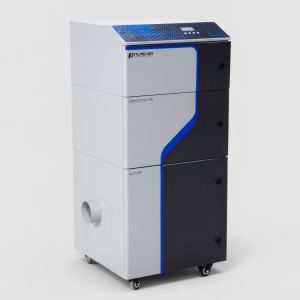
Understanding the Importance of Energy-Efficient Welding Fume Extraction
The significance of automotive manufacturing welding fume extraction extends beyond compliance with safety regulations. Effective fume extraction plays a vital role in protecting workers from harmful airborne particles and gases produced during welding operations. Traditional fume collectors often consume large amounts of electricity, particularly when utilized continuously over long shifts. This can strain operational budgets, especially for shops that run multiple shifts each day. To tackle this challenge, our focus at Pure-Air has been on the development of energy-efficient solutions that not only safeguard health but also contribute to substantial cost savings on energy consumption.
The Role of Modern Technology in Fume Collectors
Advancements in technology have allowed for significant improvements in the design and functionality of welding shop fume collectors. Modern systems now leverage innovative engineering to optimize energy use. For instance, fume collectors equipped with smart sensors can detect when welding processes are active and adjust their extraction rates accordingly. This on-demand functionality ensures that energy is not wasted when there is no activity requiring fume extraction. Incorporating such technologies allows for a reduction in electricity use while maintaining the necessary level of safety and compliance for automotive manufacturing. Furthermore, systems that meet CE/ISO certifications are designed to operate effectively within a wide temperature range (-20°C to 50°C), ensuring reliability in various environments.
Evaluating Energy Efficiency in Welding Shop Operations
When choosing a fume collector, evaluating its energy efficiency is crucial. Factors such as airflow rates, filter life, and system maintenance costs should inform your decision-making process. Low-energy systems can generate significant savings over time and may even qualify for incentives related to energy efficiency or emission reduction. For example, welding shop fume collectors that feature EPA-compliant emission logging not only enhance workplace safety but also contribute to regulatory compliance, seamlessly integrating cost-saving measures with federal and state guidelines. At Pure-Air, we have designed our systems with these considerations in mind, aiming to create an efficient extraction solution that prioritizes both the environment and operational efficiency.
Conclusion
In seeking energy-efficient welding shop fume collectors, it’s essential to look for systems that optimize performance while minimizing electricity costs. Advancements in technology have led to innovative solutions that are not only effective in respiratory protection but also play a crucial role in reducing overall energy consumption. By understanding the importance of these systems and leveraging the latest technology, automotive manufacturing facilities can create a safer and more economical working environment. At Pure-Air, we remain committed to providing solutions that promote efficiency and well-being in the welding industry, ensuring that every fume extraction system effectively balances cost, compliance, and safety.