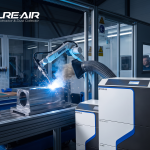
For 14 years, PURE-AIR has been improving industrial air purification in over 70 countries and 30 different industries. A lot of our partners in laser processing, electronics, digital printing, 3D printing, automotive manufacturing, lithium batteries, and photovoltaic production ask us the same thing: how do fume extraction systems work? This knowledge helps industrial users pick the best dust and fume extraction system for long-term, stable use in tough settings.
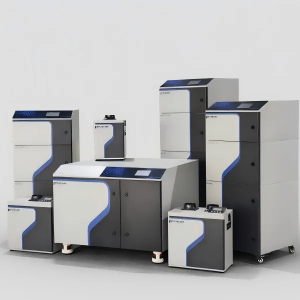
Learning the Basics of Dust and Fume Extraction
Dust and fume extraction starts as soon as pollutants are made. When you use a laser to cut, weld, solder, or do any other process that involves high temperatures or chemicals, airborne particles and VOCs quickly rise into the workspace. If not kept in check, these pollutants can hurt workers and break down precision equipment.
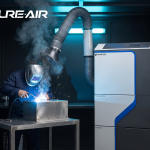
Fume extraction systems catch pollutants right at the source to stop this from happening. At PURE-AIR, we make adjustable hoods, inlets, and capture arms that stay close to the source of the emissions. This makes sure that smoke, dust, and gases are pulled into the system right away. This method of capturing sources is important for keeping industrial areas clean and production levels high. It is the basis for how modern dust and fume extraction systems work.
Important Parts of a PURE-AIR Fume Extraction System
The internal purification process starts as soon as contaminants get into the system. PURE-AIR makes its own brushless fans with very high negative pressure. These fans can suck up to 10,000 Pa and last for 30,000 hours. This steady flow of air carries pollutants into our multi-stage filtration system.
There are several layers that work together inside the filtration chamber. The pre-filter catches bigger bits that come off when you cut or grind. The HEPA filter catches tiny bits of dust from metals, plastics, and composite materials. Then, chemical or activated carbon layers get rid of gases, smells, and VOCs. This coordinated filtration system is the main way that fume extraction systems work in real factories.
PURE-AIR also includes its PIPS (PURE-AIR Intelligent Purification System), which uses AI algorithms and multiple sensors to keep an eye on the air flow, pressure, and filter status. This smart control makes sure that production stays steady during long shifts and helps lower environmental risk in many industries.
How PURE-AIR Systems Work in Real-Life Industrial Settings
In industrial workshops, the flow of fume extraction is always the same: capture, transport, filtration, and then clean air output. At every stage, PURE-AIR technology is designed to be safe, durable, and efficient. The system sends clean air back into the workspace after it passes through the last layer of filters. This helps keep the workspace clean and stable.
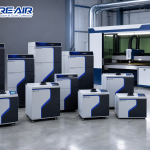
This process keeps more than 100,000 workers safe every year and cuts global emissions by more than 20 tons. PURE-AIR dust and fume extraction systems work just as well for our global partners, whether they are cutting tables with lasers, putting together electronics, or making things with 3D printing.
Conclusion
In the end, this is how fume extraction systems work: they use a precise mix of engineering, filtration, and smart control. And at PURE-AIR, we are still dedicated to making these technologies better for the future of clean air in factories.