How Metal Cutting Processes Generate Harmful Fumes and Dust
Introduction
Metal cutting is a fundamental process in modern manufacturing industries. From automotive production and aerospace engineering to metal fabrication, machinery manufacturing, and construction equipment production, advanced cutting technologies have revolutionized productivity.
Technologies such as laser cutting, plasma cutting, flame cutting, and CNC machining have greatly improved processing precision. However, while these processes offer significant manufacturing advantages, they also generate large amounts of metal cutting fumes and dust.
These airborne contaminants can negatively impact worker health, precision equipment performance, and environmental compliance. Understanding how these pollutants are generated and implementing effective industrial fume extraction solutions is essential for creating a safer, smarter, and more efficient production environment.
Why Metal Cutting Generates Fumes and Dust
Metal cutting involves removing material through extreme thermal energy, intense mechanical force, or a combination of both. During cutting operations, metal surfaces are heated, melted, vaporized, fractured, or abraded, releasing harmful particles into the workshop atmosphere.
The volume and toxicity of the pollutants generated depend heavily on several variables:
Cutting technology used (Thermal vs. Mechanical)
Material composition (Carbon steel, stainless steel, aluminum, etc.)
Cutting temperature and speed
Surface coatings (Oils, anti-rust paints, or galvanized layers)
Production intensity and duty cycle
Without a professional source capture system, these fine contaminants quickly accumulate throughout the facility, creating a hazy and hazardous working environment.
Thermal Cutting: How Different Technologies Produce Smoke
1. Laser Cutting: Ultra-Fine Smoke Generation
Laser cutting utilizes highly concentrated, high-density energy beams to melt or vaporize metal instantly.
How Fumes Are Produced: When the laser beam hits the metal sheet, the material is heated to thousands of degrees. Tiny metal particles vaporize rapidly, and when they meet the cooler ambient air, they condense into ultra-fine sub-micron smoke. Simultaneously, any surface oils or coatings burn off.
Typical Pollutants: This process generates ultra-fine particulate matter (PM2.5 and smaller), metal oxide fumes, burnt coating residues, and Volatile Organic Compounds (VOCs). Because these particles are smaller than 1 micron, they can remain suspended in the air for extended periods and penetrate deep into the human respiratory system.
2. Plasma Cutting: High-Volume Fume Production
Plasma cutting uses a high-temperature, high-velocity plasma arc to cut conductive metals, particularly thick plates.
How Fumes Are Produced: Compared to laser cutting, plasma cutting often produces significantly larger quantities of smoke and particulate emissions due to the brute-force thermal energy and auxiliary gas blowing through the molten metal.
Typical Pollutants: It commonly releases massive volumes of iron oxide particles, manganese fumes, ozone, nitrogen oxides ($NO_x$), and heavy metal dust. The dense smoke generated can quickly reduce workshop visibility if not controlled by a heavy-duty extraction system.
3. Flame Cutting and Oxy-Fuel Operations
Flame cutting remains widely used for processing exceptionally thick carbon steel plates.
How Fumes Are Produced: Through the continuous combustion of fuel gases and oxygen, the metal is oxidized and blown away.
Typical Pollutants: This chemical combustion and oxidation process generates high concentrations of combustion smoke, carbon black particles, heavy metal oxide fumes, and hot airborne residues that pose significant air quality challenges during continuous operation.
Mechanical Cutting and Grinding Dust
Unlike thermal methods, mechanical processing methods—such as sawing, milling, grinding, deburring, and surface finishing—primarily generate physical dust rather than thermal smoke.
Characteristics of Mechanical Dust
These particles are generally larger than thermal fumes but are highly abrasive. They include steel dust, stainless steel particles, aluminum dust, and abrasive wheel residues. While they settle faster, fine mechanical dust can still remain suspended in the workers’ breathing zone, settle on expensive machinery, and cause severe wear on moving mechanical components.
The Hidden Risks of Metal Cutting Emissions
1. Serious Occupational Health Risks for Workers
Prolonged exposure to unmanaged metal cutting fumes and dust can affect workshop personnel in several critical ways:
Respiratory Issues: Short-term exposure causes coughing, throat irritation, and breathing discomfort. Long-term exposure to fine metal dust can lead to chronic bronchitis or occupational asthma.
Hazardous Metal Exposure: Depending on the material, fumes can contain highly toxic elements. For instance, cutting stainless steel releases hexavalent chromium and nickel particles, while cutting galvanized sheets produces zinc oxide fumes (causing “metal fume fever”).
2. Impact on Production and Equipment Lifespan
Poor air quality affects more than just employee health; it directly impacts your factory’s bottom line:
Increased Maintenance Costs: Fine conductive metal dust can migrate inside laser cutting heads, CNC linear guides, electrical cabinets, and optical sensors. This results in frequent equipment faults, reduced component lifespan, and costly unplanned production downtime.
Reduced Product Quality: Airborne contaminants can settle back onto freshly cut metal surfaces, leading to surface contamination, coating defects during subsequent painting processes, and compromised manufacturing precision.
Why Source Capture Is Critical for Metal Fabrication
The most effective way to control metal cutting emissions is to capture contaminants directly at the point of generation before they have a chance to disperse into the wider workshop atmosphere.
An effective, professional industrial air filtration system must integrate three core elements:
[High Negative Pressure Airflow] ➔ [Multi-Stage Filtration] ➔ [Intelligent Airflow Management]
High Negative Pressure Airflow: Strong, concentrated suction is required to overcome the thermal buoyancy of laser or plasma smoke, pulling it instantly into the extraction hood.
Multi-Stage Filtration: Utilizing high-efficiency flame-retardant cartridge filters to separate large sparks, collect fine dust, and filter out ultra-fine smoke particles.
Intelligent System Control: Automated filter cleaning and airflow regulation to ensure consistent extraction performance while minimizing energy consumption.
PURE-AIR Solutions for Heavy-Duty Metal Cutting Applications
With over 15 years of professional R&D and manufacturing experience, PURE-AIR designs and builds heavy-duty industrial fume extraction systems tailored specifically for demanding metal processing environments.
Unlike factories that simply assemble outsourced parts, PURE-AIR controls quality at the source through our dedicated workshop assembly and proprietary core technologies:
Self-Developed High Negative Pressure Fans: Engineered for continuous industrial duty, our robust blower systems provide powerful, stable suction to ensure 100% efficient source capture at the cutting head.
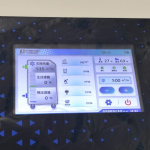
PIPS (Pure-Air Intelligent Purification System): Our proprietary intelligent control system monitors filter clogging in real-time, automatically triggers pulse-jet cleaning, and optimizes airflow performance for maximum energy efficiency.
Large-Capacity, Long-Life Filter Cartridges: We utilize advanced multi-stage filtration media that offers extended service life, drastically reducing your yearly filter replacement costs and factory maintenance downtime.
Whether you are operating a single fiber laser cutting machine, managing high-volume plasma cutting tables, or running a multi-station metal fabrication workshop, PURE-AIR provides customized, reliable air purification solutions to keep your workplace clean, compliant, and productive.
Conclusion
Metal cutting processes inevitably generate harmful fumes, smoke, and dust. Investing in a professional fume extraction system is no longer just a regulatory compliance check—it is a vital strategy for protecting worker health, ensuring equipment precision, and achieving sustainable manufacturing growth.
Contact the PURE-AIR technical team today to get a tailored air purification solution for your metal cutting setup.