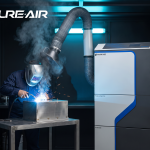
Smart manufacturing paradigms require real-time visibility across auxiliary plant operations, transforming static air handling hardware into responsive digital nodes. Advanced fume extraction technology now incorporates embedded sensors and microprocessor modules to track operational variables continuously. Our engineering team at PURE-AIR designs connected purification platforms that align indoor air quality management with broader automated factory ecosystems.
Traditional air purification units operated as isolated island equipment, making performance degradation difficult to detect until filter clogging caused suction drops. Today, digital integration enables automated data sharing between extraction hardware and central facility networks. This shift elevates air quality management from reactive maintenance to proactive operational strategy.
IoT Architecture and Real-Time Sensor Data Integration
Internet of Things networks link geographically dispersed extraction units into unified management platforms. Operational metrics including static pressure, volumetric airflow, motor temperature, and particulate concentrations stream to central controllers continuously. Distributed sensor arrays provide plant engineers with enhanced visibility into airborne contaminant capture performance across multiple production lines.
Connected hardware components communicate over standard industrial Ethernet and wireless protocols. Real-time telemetry allows central monitoring systems to coordinate blower operations directly with primary processing tools like lasers or robotic welders. Automated synchronization reduces energy consumption during machine idle cycles while preventing smoke accumulation when processing resumes.
Predictive Maintenance Through Real-Time Filter Telemetry
Unplanned equipment shutdowns often trace back to clogged filter elements restricting required exhaust airflow. The PURE-AIR Intelligent Purification System provides real-time monitoring of filter usage status, allowing users to replace filters promptly and help prevent costly production downtime. Tracking differential pressure trends continuously helps maintenance crews replace media based on actual loading rather than arbitrary calendar schedules.
Predictive algorithms calculate remaining filter service life by evaluating historical particulate loads, operating hours, and airflow velocity trends. Early warning indicators alert technicians long before filter blinding starves extraction hoods of suction velocity. Replacing saturated cartridges during planned maintenance windows reduces sudden production interruptions.
Cloud Dashboards and Enterprise-Wide Environmental Monitoring
Centralized cloud platforms aggregate operational telemetry from multiple manufacturing bays or global plant sites onto a unified visual interface. Facilities managers evaluate system health, energy consumption, and compliance metrics across all connected units through single-pane cloud dashboards. Enterprise visibility helps organizations standardize environmental safety practices across all production facilities.
Digital recordkeeping within cloud databases simplifies compliance auditing for environmental health and safety officers. System logs store verified differential pressure readings and filter exchange histories, generating audit-ready reports automatically. Remote data access ensures enhanced operational transparency without requiring manual floor inspections.
Remote Service Diagnostics and Troubleshooting Efficiency
Digital connectivity enables technical support teams to analyze machine performance logs without traveling to physical factory floors. Specialized remote diagnostic software scans system parameters, error codes, and sensor readings to identify operational anomalies instantly. Remote analysis significantly reduces service response times and equipment downtime.
Over-the-air firmware updates deliver refined control logic and diagnostic routines directly to machine microcontrollers. Technical specialists troubleshoot operational issues remotely, guiding on-site technicians through precise maintenance steps. Utilizing remote diagnostic tools keeps multi-station fume extraction systems operating at calibrated parameters.
AI Optimization and Adaptive Blower Performance Tuning
Machine learning algorithms analyze operational history to optimize fan speeds dynamically based on active fume generation rates. Artificial intelligence control loops adjust motor frequencies automatically, matching blower output directly to real-time static pressure changes. Dynamic tuning prevents unnecessary power draw during light processing cycles while preserving required capture velocity.
Self-learning control algorithms adapt to gradual filter loading over time, increasing motor output gradually to offset rising media resistance. AI-driven power management reduces total energy usage and lowers mechanical strain on fan bearings. Automated performance tuning preserves consistent suction efficiency throughout the entire filter service life.
Real-Time Visual Interface for On-Site Machine Operation
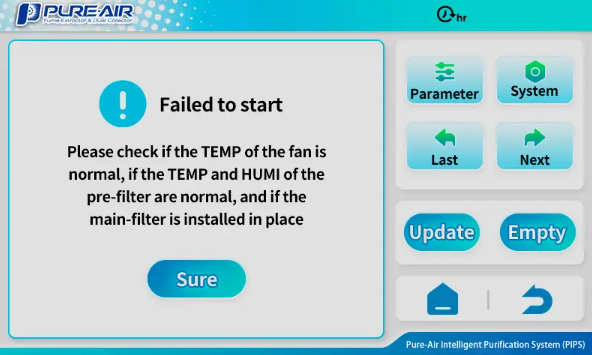
Interactive visual interfaces simplify daily operations for machine technicians working directly on the shop floor. Colorful touch screen displays present critical system parameters including airflow velocity, filter saturation percentages, and running hours clearly. Intuitive visual icons allow operators to check machine status quickly without navigating complex menu trees.
On-screen prompts guide operators through filter replacement procedures and diagnostic checks step-by-step. Clear visual alerts notify workers immediately if pressure thresholds cross preset safety limits. Equipment setups like our Intelligent Purification System utilize these user-friendly interfaces to enhance workplace safety and operator control.
System Integration in Automated Multi-Station Lines
Integrating connected fume extraction systems into automated vehicle or electronics assembly lines requires flexible interface options. Modular control units interface cleanly with programmable logic controllers using standard fieldbus communication protocols. Interconnected machinery creates a cohesive production environment where air purification responds dynamically to active manufacturing cycles.
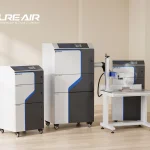
Connected hardware layouts support reliable extraction across high-throughput laser processing, automated welding, and electronic assembly lines. Deploying intelligent fume extraction technology protects workpieces from airborne contamination while maintaining safe indoor environments. Systems like our D-i Series offer flexible digital interfaces tailored to automated multi-station configurations.
Future-Proofed Digital Air Purification for Smart Manufacturing
Digital upgrading turns rigid traditional fume extractors into data-centric intelligent air control systems. IoT sensing, cloud monitoring and AI adaptive regulation resolve pain points of delayed response, guesswork filter replacement and excessive power consumption.
With factories advancing toward fully connected unattended production, exhaust treatment equipment will evolve from peripheral accessories into essential interconnected production modules. Next-generation purification systems will realize deeper autonomous linkage with production beats, dynamic energy optimization and full-lifecycle filter digital management to satisfy stricter emission regulations.
PURE-AIR upgrades intelligent purification hardware and algorithms for smart factory demands. Contact our engineering team for customized intelligent fume extraction configuration and plant-wide digital air quality renovation planning.