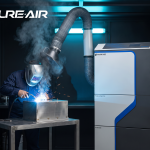
Thermal cutting and welding on zinc-coated substrates release high concentrations of fine metallic oxides directly into indoor factory air. High-temperature torches vaporize surface coatings, rapidly converting zinc into airborne zinc oxide particulate fumes. Integrating specialized welding fume dust collectors captures sub-micron metal oxides right at the processing zone before hazardous plumes expand across shop bays.
Without engineered extraction, rising thermal plumes carry toxic zinc fumes into breathing spaces where technicians operate. Sub-micron metallic dust remains suspended in indoor air for extended periods, creating severe respiratory hazards for shop floor workers. Controlling zinc oxide exposure requires understanding both chemical generation dynamics and airflow mechanics.
Pathological Mechanics of Metal Fume Fever
Inhaling dense concentrations of zinc oxide aerosols triggers acute respiratory inflammation commonly known as Metal Fume Fever. Symptoms resemble flu-like illnesses, including severe chills, fever, muscle aches, nausea, and persistent fatigue that manifest hours after exposure. Repeated exposure degrades lung function over time and lowers overall worker productivity across manufacturing bays.
Sub-micron particulates bypass upper respiratory filtration mechanisms, penetrating deep into pulmonary alveoli. While symptoms typically subside after twenty-four hours, continuous chronic exposure causes lasting lung tissue damage. Preventing Metal Fume Fever demands rigorous environmental controls during indoor cutting and welding tasks.
Fluid Dynamics of At-Source Capture Mechanisms
Effective environmental control relies on capturing toxic thermal plumes right at the emission source before aerosols disperse. High-velocity suction hoods placed close to cutting torches intercept rising zinc oxide smoke before ambient cross-drafts disrupt plume boundaries. Position, hood geometry, and airflow speed dictate overall capture efficiency across active work stations.
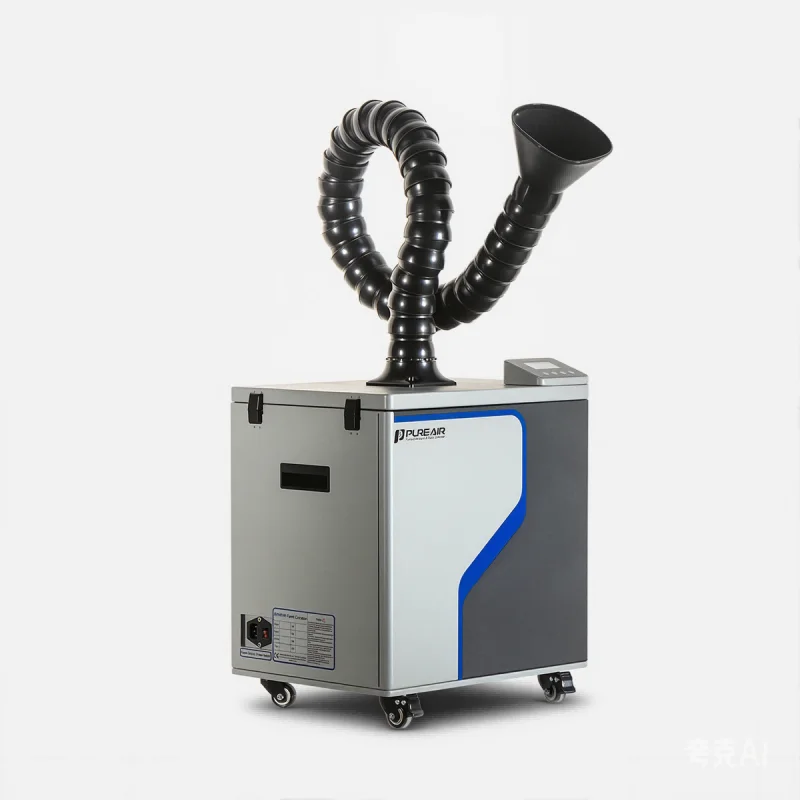
Suction velocity drops off significantly as distance between the intake hood and the arc increases. Maintaining high face velocity at capture points prevents buoyant smoke vectors from spilling into open plant space. Our engineering team at PURE-AIR designs specialized extraction arms to preserve focused suction near emission points.
Role of Personal Protective Equipment in Layered Safety Protocols
Relying solely on respiratory Personal Protective Equipment (PPE) provides incomplete defense against dense indoor metallic smoke. Half-mask respirators with P100 particulate filters protect individual technicians, but uncaptured fumes contaminate surrounding plant spaces. Unprotected personnel working in adjacent bays remain vulnerable to floating metallic aerosols.
Combining personal respirators with engineering capture controls forms a comprehensive multi-layered safety strategy. Mechanical extraction removes airborne contaminants at origin, while personal PPE shields operators during close-range setup tasks. Layered protection protocols support OSHA compliance across demanding industrial welding operations.
Mechanical Extraction System Design for Zinc Oxide Particulates
Handling fine zinc oxide fumes requires high static pressure blowers capable of drawing air through dense filtration media. Specialized automotive manufacturing welding fume extraction hardware incorporates multi-stage filter cartridges to separate sub-micron metal dust efficiently. Structured media sequences prevent fine zinc particles from clogging filter pores prematurely.
Layered filtration arrays feature synthetic pre-filters to capture larger spatter before high-efficiency HEPA elements trap sub-micron oxides. Continuous extraction helps prevent zinc oxide accumulation inside processing bays, preserving healthy workplace conditions. Equipment setups like our PA-D1600 models utilize high static pressure blowers to manage heavy fume loads safely.
Extraction Requirements in High-Volume Vehicle Production Lines
Robotic body assembly lines in automotive manufacturing require continuous extraction setups to handle intense zinc-coated sheet welding. Massive fume volumes generated by high-frequency automated welding heads demand robust airflow capacities to maintain clean plant environments. Deploying an engineered welding fume dust collectors setup prevents toxic smoke buildup inside automated assembly cells.
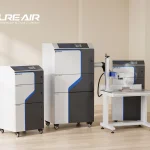
System integration connects extraction hardware directly with main programmable logic controllers to synchronize fan operation with active welding programs. Automated control preserves intake suction while minimizing energy draw during idle periods. Equipment series including our PA-D500 and PA-D350 units deliver reliable extraction across automated welding bays.
Multi-Process Environmental Hardware Versatility
Modern automotive plants combine metal joining, surface polishing, and 3D printing operations within shared facility bays. Environmental hardware must handle diverse particulate types, from sticky polishing compounds to toxic zinc oxide fumes. Utilizing adaptable automotive manufacturing welding fume extraction hardware supports multi-process safety across flexible manufacturing lines.
Units engineered for multi-process environments provide balanced airflow performance and effective extraction capabilities to handle different types of airborne contaminants. Flexible suction configurations allow facilities to support a wide range of metalworking operations, including grinding, polishing, and welding, with consistent contaminant capture.
Compact solutions such as the PA-D250 series are designed for localized extraction in repair stations and maintenance areas, providing flexible deployment options where targeted fume and dust removal is required.
System Maintenance Protocols for Long-Term Capture Efficiency
Sustaining high capture velocity demands regular inspection of filter cartridges, duct connections, and pulse-jet cleaning systems. As fine zinc oxide dust accumulates on filter pleats, internal static resistance increases, gradually reducing volumetric airflow. Automated differential pressure monitoring alerts maintenance staff before suction drops threaten workplace safety.
Proper disposal of collected metal oxide dust prevents secondary contamination during routine hopper cleanouts. Utilizing pulse-jet cleaning systems dislodges surface dust, extending filter cartridge service life significantly. At PURE-AIR, we develop durable extraction units to keep industrial breathing spaces clean and compliant.
Conclusion
Cutting galvanized steel indoors safely requires combining at-source capture, multi-stage HEPA filtration, dynamic airflow control, and personal protective equipment. Deploying a specialized welding fume dust collectors setup configured with high static pressure blowers traps sub-micron zinc oxide particles before toxic smoke disperses. Through technical guidance and engineered extraction hardware at PURE-AIR, industrial facilities support safe, healthy, and compliant manufacturing spaces.