The demand for laser marking on plastics like PET and PVC has surged across the food and electronic packaging sectors. However, this process releases dangerous particulates and toxic gases into the workspace. Without proper industrial filtration, these emissions threaten worker health and equipment precision.
Understanding the specific pollutants generated by different plastics is the first step toward a safer and more efficient production environment.
Understanding the Hazards of Plastic Laser Marking Fumes
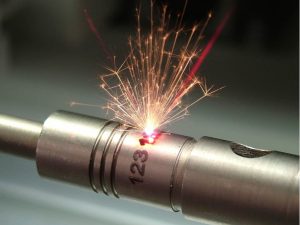
Laser marking works by using high-energy beams to ablate or change the surface of a material. When this beam interacts with polymers, it causes thermal decomposition and pyrolytic reactions.
Unlike metal marking, which mostly produces inorganic dust, plastic marking creates a complex mixture of submicron particles and volatile organic compounds.
The primary concerns during this process include:
- Ultrafine particulates can settle deep in the lungs.
- Toxic gases that are often colorless and odorless but highly carcenogenic.
- Corrosive acidic byproducts that damage sensitive laser optics and nearby electronics.
- Persistent odors that can contaminate food or medical products in the same facility.
Failure to address these hazards leads to respiratory illnesses among staff and frequent downtime for machine cleaning.
Toxic Gases Produced from Common Packaging Plastics
Different plastic resins react uniquely under laser heat.
PET and Polyethylene Materials
Polyethylene Terephthalate or PET is the standard for mineral water bottles. When marked with a laser, it produces significant amounts of carbon-based ultra-fine particles. These often appear as black or gray smoke. Beyond the visible dust, the chemical hazards include:
- Benzene: A known human carcinogen produced during incomplete thermal decomposition.
- Acetaldehyde: A pungent gas that causes severe respiratory irritation.
- Carbon Monoxide: A silent byproduct of any combustion process in oxygen-limited environments.
PVC and Halogenated Plastics
Polyvinyl Chloride or PVC is common in wire insulation and certain types of flexible packaging. This material is arguably the most dangerous to laser mark without a dedicated laser marking fume extractor. The heat breaks down the chlorine bonds in the polymer chain.
- Hydrogen Chloride: This gas is highly corrosive and turns into hydrochloric acid upon contact with moisture in the air or lungs.
- Dioxins and Furans: These are among the most toxic substances known to science and are formed when chlorinated plastics are heated.
- Severe Equipment Corrosion: The acidic fumes will quickly pit and ruin the expensive lenses and mirrors of your laser system.
ABS and Electronic Grade Plastics
Acrylonitrile Butadiene Styrene or ABS is a staple in the 3C electronics industry. Marking this material releases styrene gas and sometimes hydrogen cyanide, depending on the specific additives used. These gases can cause dizziness, nausea, and long-term neurological issues if the air is not purified.
Why a High Quality Laser Marking Fume Extractor is Essential
Investing in a professional purification system is a matter of both safety and operational efficiency. Relying on simple shop fans or basic ventilation is rarely enough to meet modern industrial standards.
Occupational Health and Legal Compliance
International health organizations like OSHA and the HSE have strict limits on indoor air quality. In many regions, companies are legally required to provide local exhaust ventilation for any process that generates hazardous fumes.
A certified laser marking fume extractor ensures that your facility remains in compliance with these regulations. This protection reduces the risk of expensive worker compensation claims and potential fines from environmental agencies.
Protecting Machine Accuracy and Life
Laser systems are significant investments. The smoke generated during marking is often sticky or abrasive. If these particles settle on the laser lens, they absorb the laser energy and can cause the glass to crack or lose focus. Furthermore, accumulated dust on moving parts increases friction and wear.
By removing these particles before they settle, you significantly extend the maintenance intervals of your coding equipment.
Maintaining Product Cleanliness
In the food, beverage, and pharmaceutical industries, product purity is paramount. Residual odors or soot from the laser process can settle on the product surface or the packaging interior. This leads to rejection by quality control and harms brand reputation.
High-efficiency filtration ensures that the finished product remains clean and free of chemical odors.
The Cutting-Edge Engineering Behind PURE-AIR Extraction Systems
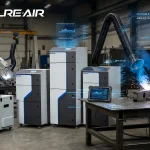
Pure-Air has spent over a decade perfecting specialized solutions that go far beyond simple suction. Our industry-leading laser marking fume extractor integrates intelligent monitoring with advanced multistage filtration to ensure total air purification.
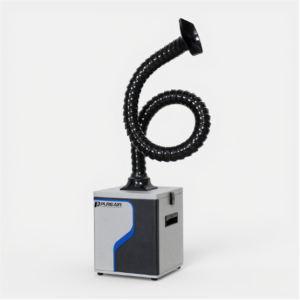
The core advantages of the PURE-Air Laser Marking Fume Extractor include:
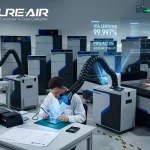
- Advanced Multistage Capture: High efficiency F9 pre-filters paired with H14 HEPA filters remove 99.997 percent of submicron particulates and carbon soot.
- Specialized Chemical Neutralization: Custom impregnated activated carbon specifically targets and neutralizes corrosive gases like hydrogen chloride and toxic benzene.
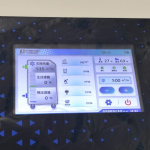
- Intelligent PIPS Technology: The proprietary system monitors filter status in real time and automatically adjusts motor speed to maintain constant, powerful suction.
- Operational Reliability: Designed for 24/7 industrial use with quick-release filters that minimize downtime and maintenance costs.
Best Practices for Maintaining Your Purification System
- Even the best laser marking fume extractor requires proper care to function at its peak. Operators should follow a regular maintenance schedule to ensure safety.
- Regular Filter Checks: Use the PIPS interface to monitor pressure differentials. Replacing a pre-filter on time is much cheaper than replacing a main HEPA filter that has been prematurely clogged.
- Proximity to Source: The suction hood must be placed as close to the marking point as possible. Capture efficiency drops significantly for every centimeter the hood is moved away from the laser beam path.
- External Exhausting: While these systems are designed to recirculate clean air, some high-risk applications may still benefit from exhausting the filtered air outdoors as an added safety measure.
- Authentic Consumables: Always use original manufacturer filters. Third-party filters often lack the correct chemical impregnations or the required surface area, leading to poor air quality and potential motor damage.
Conclusion
Plastic laser marking is a powerful tool for modern manufacturing, but the environmental risks cannot be ignored. By integrating a specialized laser marking fume extractor from a trusted manufacturer like Pure-AIR, you protect your employees and your equipment.
Their combination of H14 HEPA filtration and advanced chemical adsorption provides a robust defense against industrial pollutants, ensuring that your production line remains both clean and profitable.